
The recent unveiling of the Freedom 250 Grand Prix of Washington, D.C. track map has sparked significant backlash among IndyCar fans, many of whom have taken to social media and forums to voice their frustration over the circuit’s design. Titled with a pointed rhetorical question—”Why did you design this track to be even more boring than the Detroit racetrack?”—the criticism centers on the layout’s perceived lack of excitement, despite its historic and scenic setting around the National Mall.
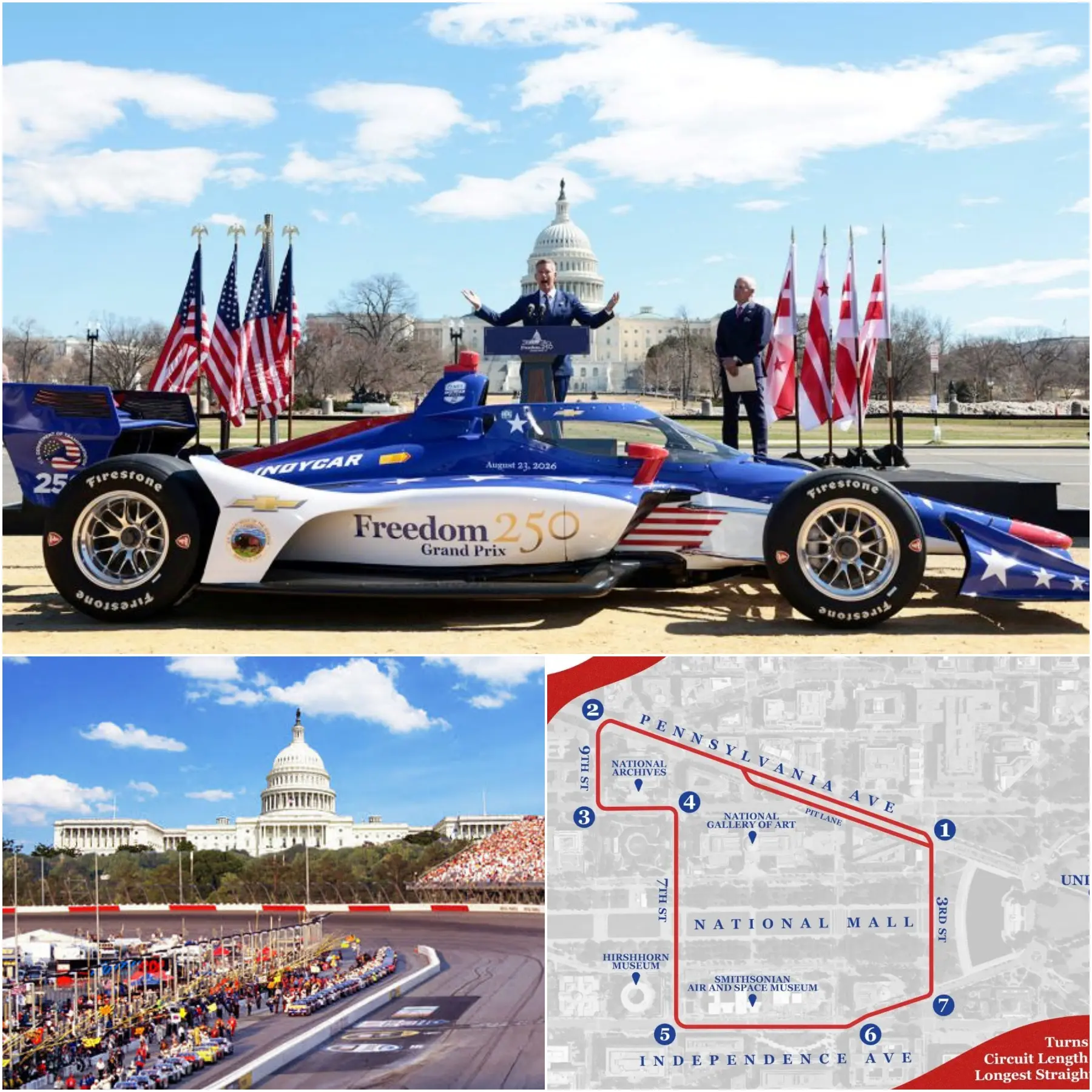
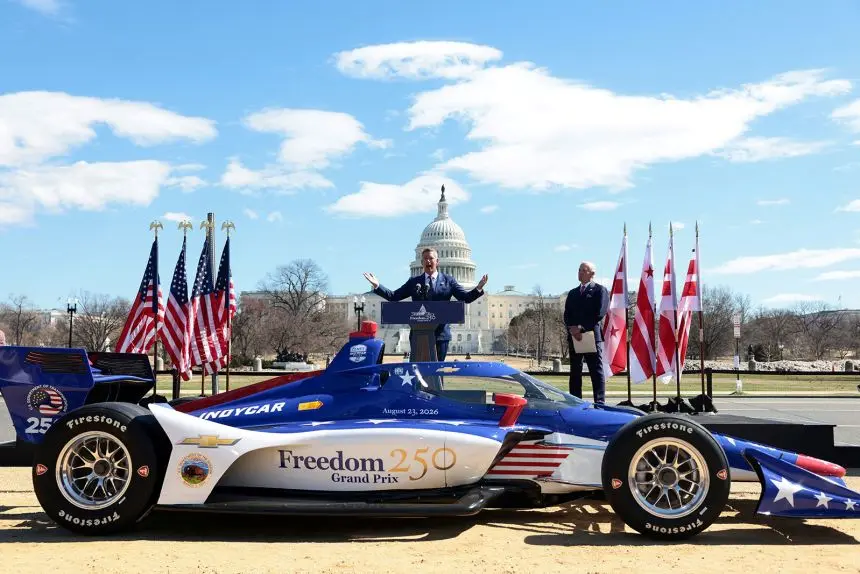
On March 9, 2026, INDYCAR officials, joined by federal representatives including Secretary of Transportation Sean Duffy and Secretary of the Interior Doug Burgum, as well as D.C. Mayor Muriel Bowser, formally revealed the course for the August 23 event. The Freedom 250, added to the 2026 NTT INDYCAR SERIES schedule via an executive order signed by President Donald Trump in late January, marks the first motor race in history on the National Mall and aims to celebrate America’s 250th anniversary of independence.
The event is positioned as a patriotic showcase, with the series promising free public access and breathtaking views of iconic landmarks like the U.S. Capitol, Washington Monument, Smithsonian National Air and Space Museum, National Gallery of Art, and National Archives.
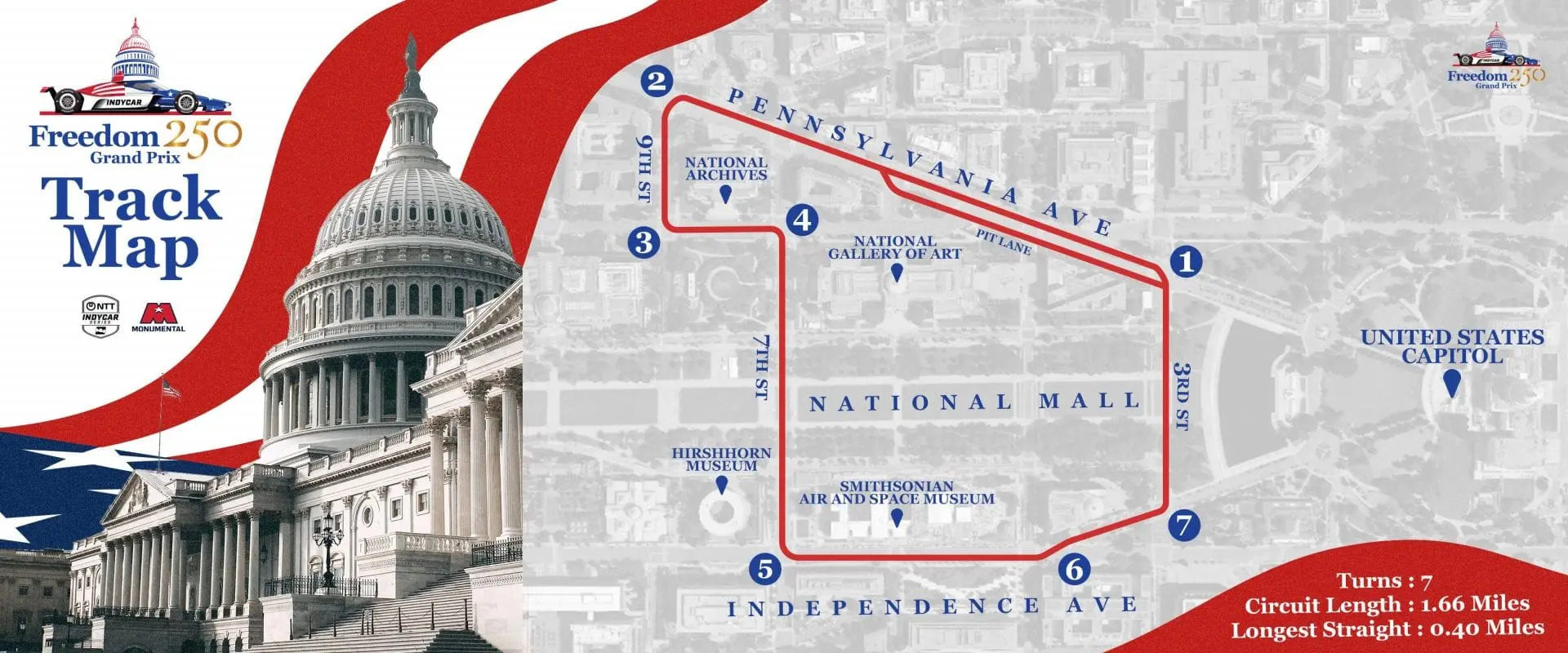
The circuit measures approximately 1.7 miles (around 2.74 km) in length and features just seven turns. Drivers will start and finish on 3rd Street with the Capitol in the background, head north before turning left onto Pennsylvania Avenue for a sweeping 0.4-mile frontstretch—where pit lane is also located—then wind through the Mall area via streets like 9th Street. The layout incorporates high-speed sections along major avenues but prioritizes integration with the capital’s historic grid over aggressive, technical racing demands.
Organizers describe it as blending “high-speed demands” with the site’s “historic character and stunning visuals,” with lap times potentially under a minute due to the relatively flowing nature and long straight.
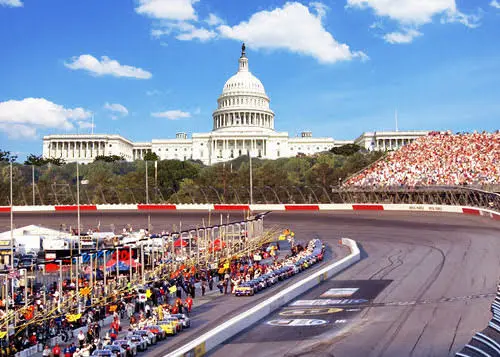
This configuration has drawn direct comparisons to the Streets of Detroit, a longstanding IndyCar venue often criticized by fans for its procession-like racing, limited overtaking opportunities, and repetitive left turns that can lead to follow-the-leader scenarios. Detroit’s circuit, while featuring more corners (typically around 9-10), is frequently called out for lacking the elevation changes, tight hairpins, or high-commitment braking zones that produce thrilling battles.
Fans argue the Washington layout exacerbates these issues: with only seven turns—including reportedly just one notable right-hander—the track risks becoming even more monotonous, especially on a flat, urban street course without significant camber or elevation to challenge drivers or cars.
Online reactions have been swift and pointed. On platforms like Reddit’s r/INDYCAR, users highlighted the minimal right-hand turn count, joking that it reinforces stereotypes about oval-heavy IndyCar driving. Threads and comments express disappointment that a race tied to such a symbolically charged location—meant to highlight American innovation and speed—ended up with a conservative design prioritizing safety, accessibility, and landmark preservation over pure racing spectacle. Some fans lamented the missed opportunity for a more dynamic layout, perhaps incorporating tighter sections near monuments or additional chicanes to force passing.
Others questioned whether the executive order’s rapid timeline and federal involvement led to compromises, as the course needed approval from multiple agencies, including the National Park Service, which manages the Mall.
The outrage ties into broader frustrations within the IndyCar community about street circuits. While events like Long Beach and Toronto deliver overtaking and drama through technical demands, others like Detroit or Nashville have faced accusations of being “processional” or overly process-oriented due to wide streets and limited passing zones. Critics fear the Freedom 250 could join that list, potentially harming the series’ momentum after the high-viewership Indianapolis 500. Drivers and teams have largely stayed positive in public statements, with some like Graham Rahal defending the event as a “massive opportunity” for exposure, but fan sentiment remains skeptical.
Proponents counter that the race’s value extends beyond lap times. The unprecedented backdrop—open-wheel cars screaming past symbols of democracy—offers unmatched visual appeal for television and spectators alike. The free entry could draw huge crowds, boosting tourism and introducing IndyCar to new audiences in the politically charged capital. Organizers emphasize safety and logistics in a sensitive area, noting that the layout avoids excessive disruption to federal sites while maximizing patriotic imagery.
Still, for purists, the design feels like a letdown. The seven-turn configuration, while efficient for setup and teardown in a high-security zone, lacks the complexity fans crave for sustained competition. Overtaking may rely heavily on strategy, push-to-pass, and pit stops rather than on-track aggression, echoing complaints about Detroit’s format. As the August date approaches, the debate will likely intensify: is this a historic celebration worth the stylistic trade-offs, or a squandered chance for edge-of-the-seat racing?
The Freedom 250’s success will ultimately hinge on execution—weather, car performance, and on-track action—but the initial fan response underscores a divide. Many IndyCar supporters wanted a track that roared with excitement to match its grand ambitions; instead, they see one that might cruise politely past monuments. Whether the spectacle of the setting compensates for the perceived boredom remains an open question as the series prepares for its most unconventional addition yet.