
Sadie Iddenden meticulously analyzes the most memorable moments in Grand National racing history that have sparked overwhelming emotions among fans who witnessed them.
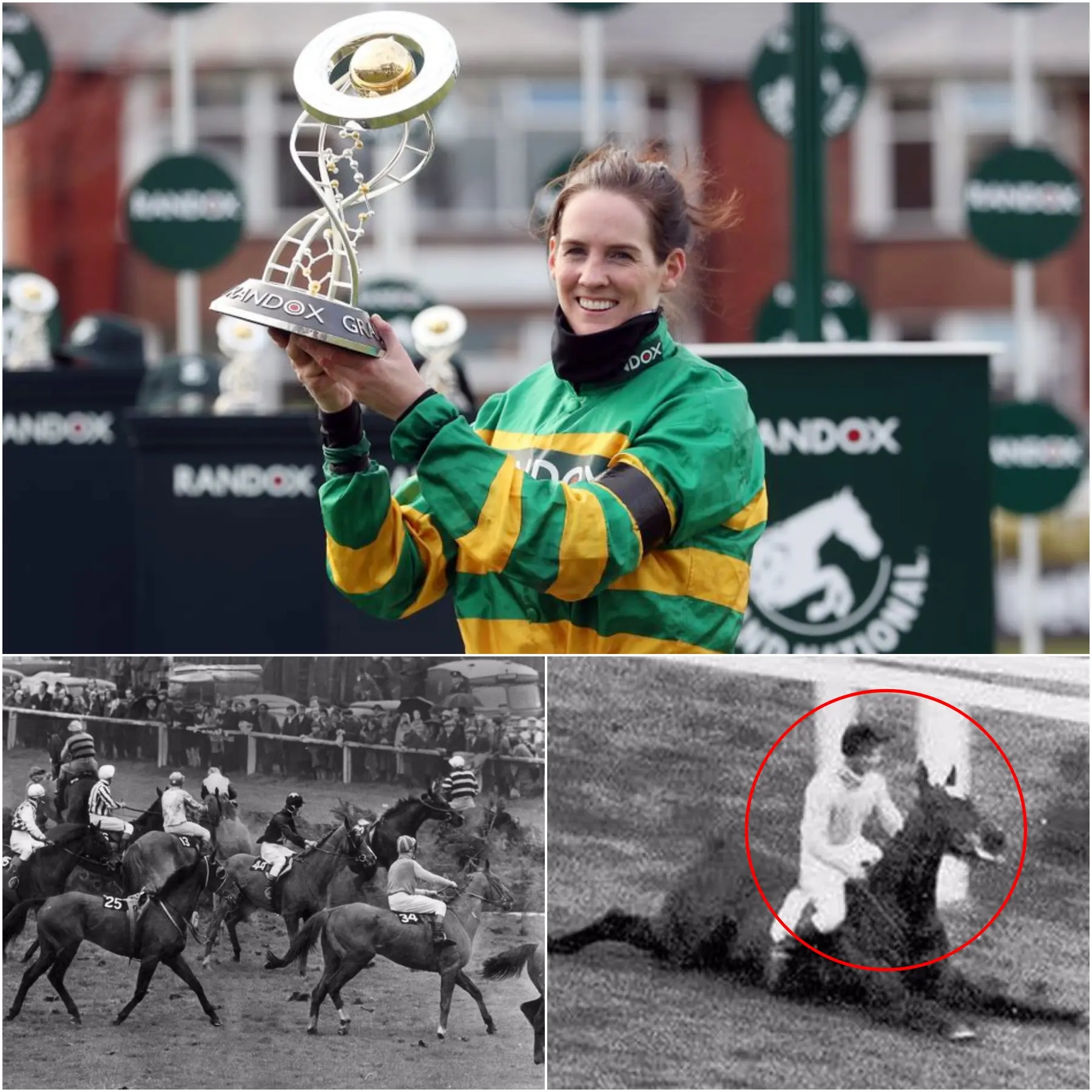
The Grand National at Aintree has long stood as one of the most dramatic spectacles in world sport, a test of courage, stamina, and raw fortune over four and a half miles and 30 fences. For generations of fans, it has delivered moments that transcend mere racing results, etching themselves into collective memory through tears of joy, heartbreak, and sheer disbelief. Racing journalist Sadie Iddenden, known for her insightful coverage of the jumps scene, has delved deeply into these iconic instances, highlighting how they continue to evoke powerful emotional responses even decades later.
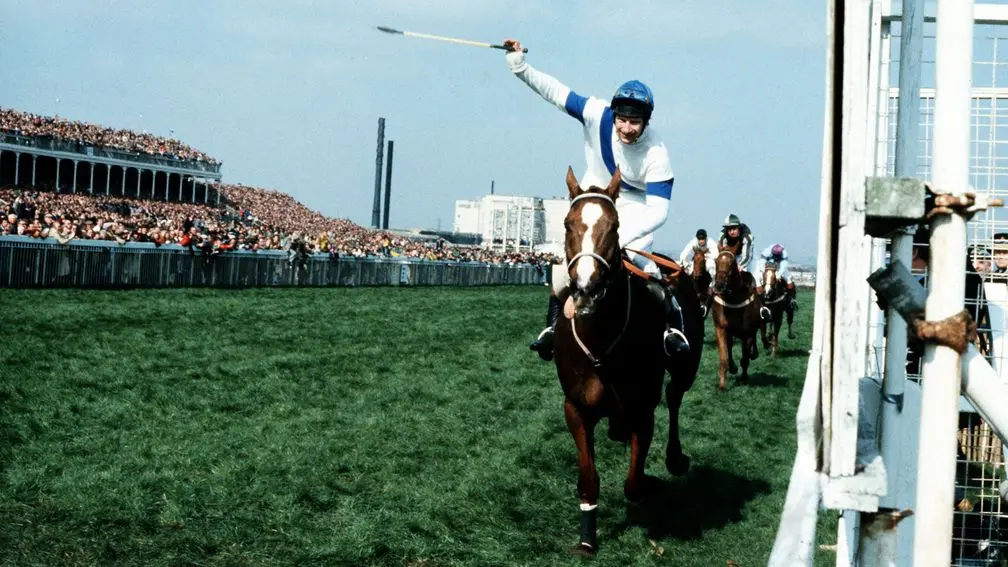
One of the most enduring and heart-wrenching episodes unfolded in 1956 with Devon Loch, the horse owned by the Queen Mother and ridden by Dick Francis. Leading comfortably as the field approached the final straight, Devon Loch inexplicably leapt into the air and collapsed onto his belly just yards from victory. The crowd, which had been roaring in anticipation of a royal triumph, fell into stunned silence. Francis later described the surreal moment in his writings, while the Queen Mother famously remarked, “Oh, that’s racing,” encapsulating the sport’s cruel unpredictability with grace.
Fans who witnessed it, whether at the course or on television, spoke of an overwhelming sense of collective disappointment mixed with empathy. The image of the horse struggling on the turf became a symbol of racing’s fragility, sparking discussions about the thin line between glory and despair that still resonates today.
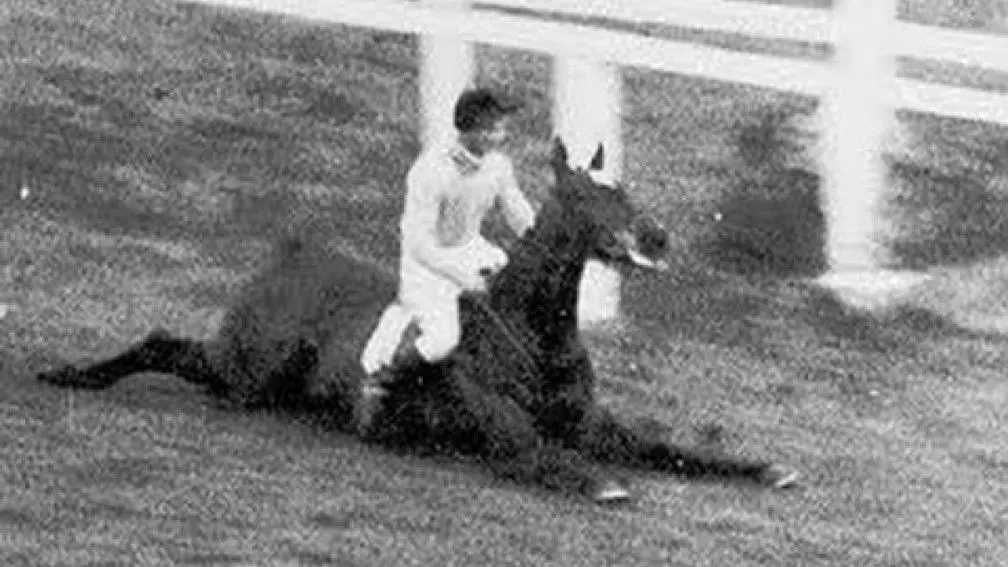
Contrast that agony with the unbridled triumph of Red Rum, the horse whose name is synonymous with the Grand National. In 1973, under trainer Ginger McCain and jockey Brian Fletcher, Red Rum staged a thrilling comeback against the Australian chaser Crisp, who had built a seemingly insurmountable lead. As they approached the line, Red Rum closed with relentless determination, snatching victory in the final strides. The roar from the Aintree stands was deafening, and the moment cemented Red Rum as a national hero. But it was his third victory in 1977 that pushed emotions to new heights.
By then an 12-year-old carrying top weight, Red Rum powered home to secure a record that still stands unmatched. Crowds chanted his name, and the sight of him parading afterward, ears pricked and full of life, brought tears to hardened racegoers and casual viewers alike. Red Rum’s story — from humble beginnings to three-time champion — embodied perseverance and the special bond between horse and human. Iddenden notes how fans, even those too young to have seen it live, feel a surge of nostalgia and pride when replays air, as if they too had stood in the stands cheering.
Perhaps no victory has tugged at the heartstrings quite like that of Bob Champion and Aldaniti in 1981. Champion, a popular jockey, had been diagnosed with testicular cancer and given mere months to live. After grueling treatment, he returned against all odds. Aldaniti, his partner, had himself recovered from serious leg injuries and was considered past his prime. Their 10/1 success was more than a race win; it was a narrative of human resilience and second chances. As they crossed the line, the Aintree crowd erupted, and television cameras captured tear-streaked faces across the nation.
Champion’s story inspired a film, “Champions,” and countless fans have shared how the moment gave them hope during personal battles with illness. Iddenden emphasizes that this pairing represented the emotional core of National Hunt racing — where triumph often emerges from adversity, forging connections that extend far beyond the track.
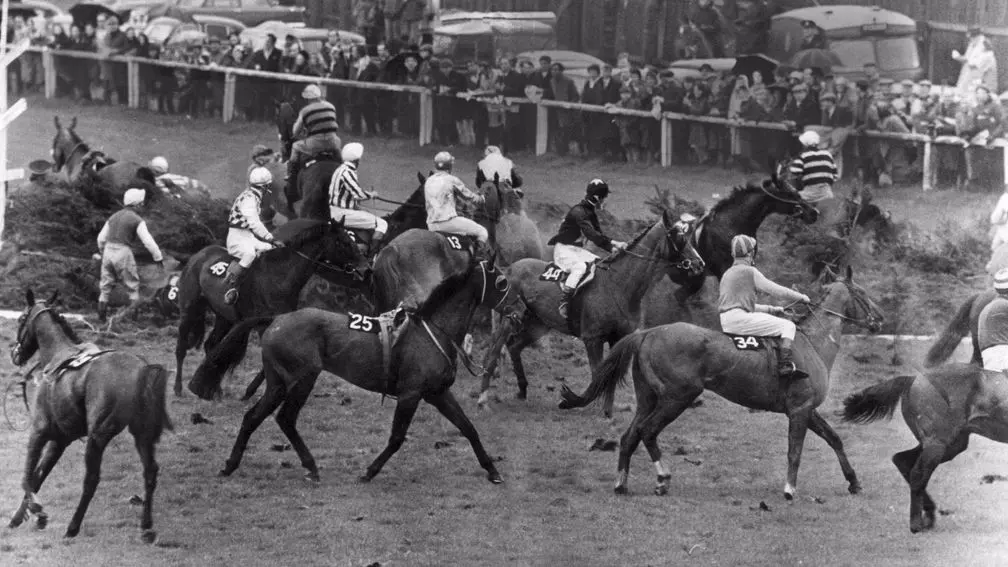
The 1967 race delivered drama of a different kind with Foinavon’s shock victory at 100/1 odds. A loose horse caused a chaotic pile-up at the 23rd fence, halting nearly the entire field. Foinavon, ridden by John Buckingham, avoided the melee and galloped on to an improbable win. While some purists debate its sporting merit, the moment highlighted the National’s unpredictability and capacity to produce fairy tales. Fans who bet on long shots or simply loved an underdog story found overwhelming delight in the outcome, turning a potential disaster into racing folklore.
In more recent times, the emotions have remained just as intense. AP McCoy’s long-awaited victory in 2010 aboard Don’t Push It came after 14 previous failures in the race. The champion jockey, known for his stoic demeanor, broke down in visible emotion as he crossed the line, waving his whip in celebration. The outpouring of affection from the racing public was immense, reflecting years of near-misses and McCoy’s unparalleled dedication to the sport. Fans described feeling a personal investment in his success, as if their own persistence had been rewarded.
The 2025 renewal added another layer to this rich tapestry when Nick Rockett, ridden by Patrick Mullins for trainer Willie Mullins, stormed to victory in what has been dubbed “The Mullins National.” The Irish trainer saddled the first three home, with his son Patrick delivering a masterful ride. Post-race scenes captured Willie Mullins overcome with emotion, tears flowing as he embraced family and connections. The win carried extra poignancy for some involved, with tributes to personal stories of loss and resilience echoing in the celebrations.
Iddenden points out how such modern moments blend the traditional drama of Aintree with contemporary narratives of family, legacy, and the global appeal of jumps racing. The dominance of one stable created a sense of awe mixed with joy, reminding fans of the sport’s capacity to surprise and uplift even in an era of professionalization.
Other instances have sparked their own waves of feeling. Tiger Roll’s back-to-back wins in 2018 and 2019 under Gordon Elliott evoked pride in a diminutive yet mighty performer often called “the people’s horse.” Rachael Blackmore’s historic triumph aboard Minella Times in 2021 as the first female jockey to win broke barriers and inspired a new generation, with the Irish rider’s modest reaction amplifying the emotional impact. Even setbacks, like the voided 1993 race due to a false start or tragic falls in certain years, have prompted reflection on safety, welfare, and the sport’s evolution.
What unites these moments, as Iddenden meticulously observes, is their power to stir overwhelming emotions among those who witnessed them — whether live amid the electric atmosphere of Aintree or through screens in living rooms worldwide. The Grand National is not merely a race; it is a theater of human and equine drama where joy and sorrow intertwine. Fans often recount where they were when Red Rum triumphed or when Devon Loch faltered, passing these stories down like family heirlooms.
The tears shed are not just for winners or losers but for the courage displayed, the dreams pursued, and the shared humanity revealed in every stride.
In an age of instant highlights and social media replays, these historic episodes retain their potency because they tap into universal themes: overcoming illness, defying age, celebrating family bonds, and confronting unpredictability. Iddenden’s analysis reminds us that while the fences may be modified for safety and the field managed with greater care, the emotional heartbeat of the Grand National remains unchanged. It continues to captivate, moving fans to laughter, cheers, and quiet contemplation long after the horses have returned to their stables.
As the race approaches future renewals, including preparations for 2026, enthusiasts will once again gather in anticipation. They know that any given year could produce the next unforgettable moment — one that sparks conversations, inspires documentaries, or simply leaves a lump in the throat. The Grand National’s legacy lies not only in its winners’ roll but in the profound feelings it awakens, binding generations of fans through the timeless language of sport. In these meticulously recalled scenes, we see not just racing history, but a mirror to life itself: unpredictable, challenging, and ultimately deeply moving.