
SAD NEWS: Immediately after the Boston Red Sox vs. Houston Astros game ended, coach Alex Cora gave fans reason to worry and pray when he announced the health status of player Triston Casas, who had to leave the game just before it started and is currently…
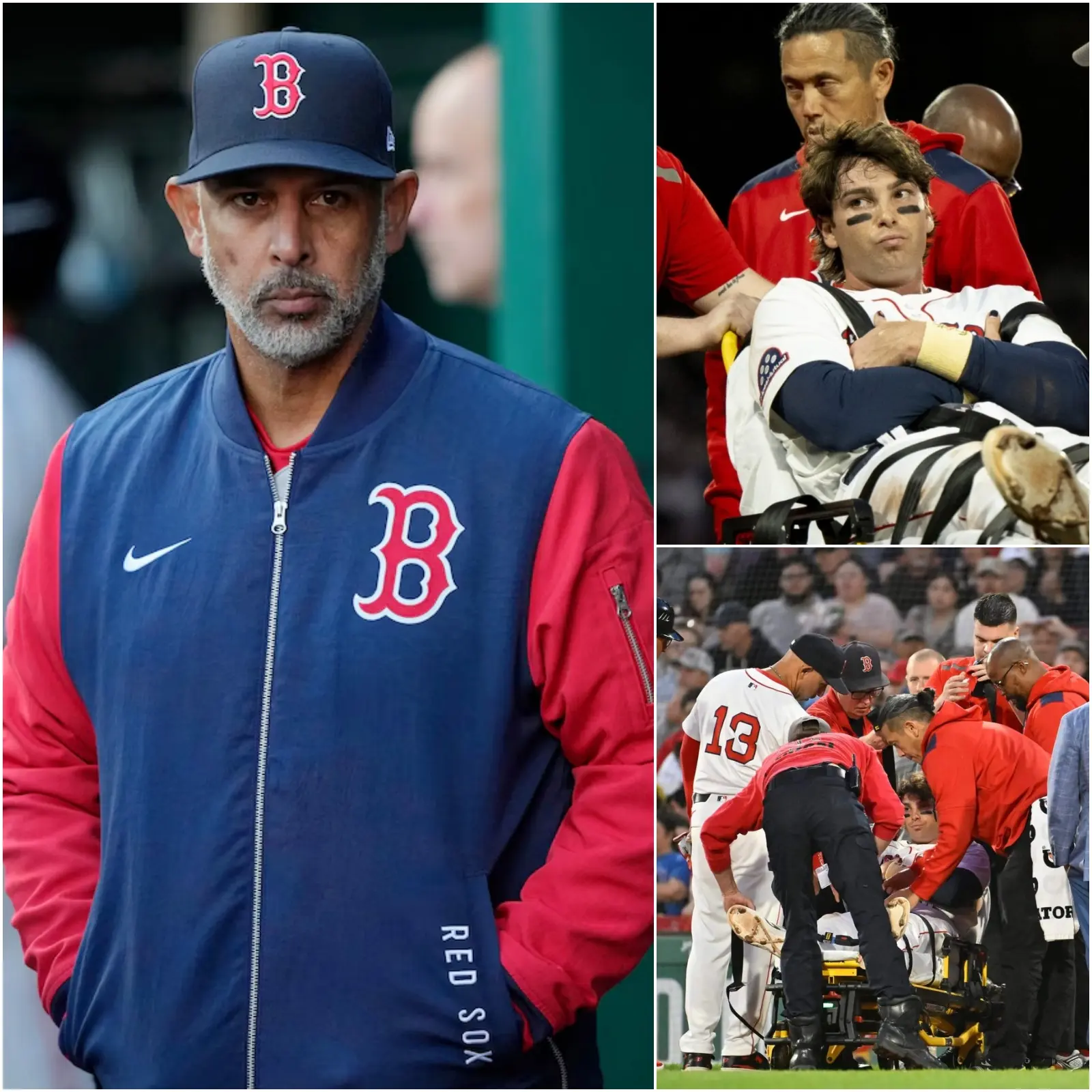
The Boston Red Sox suffered a heartbreaking loss to the Houston Astros on Wednesday night, but the real blow came not from the final score on the field. Moments after the game concluded, manager Alex Cora stepped in front of reporters and delivered news that sent a wave of concern through the Red Sox faithful. Triston Casas, the promising young first baseman who has been battling back from a devastating injury, has encountered yet another significant setback in his recovery.
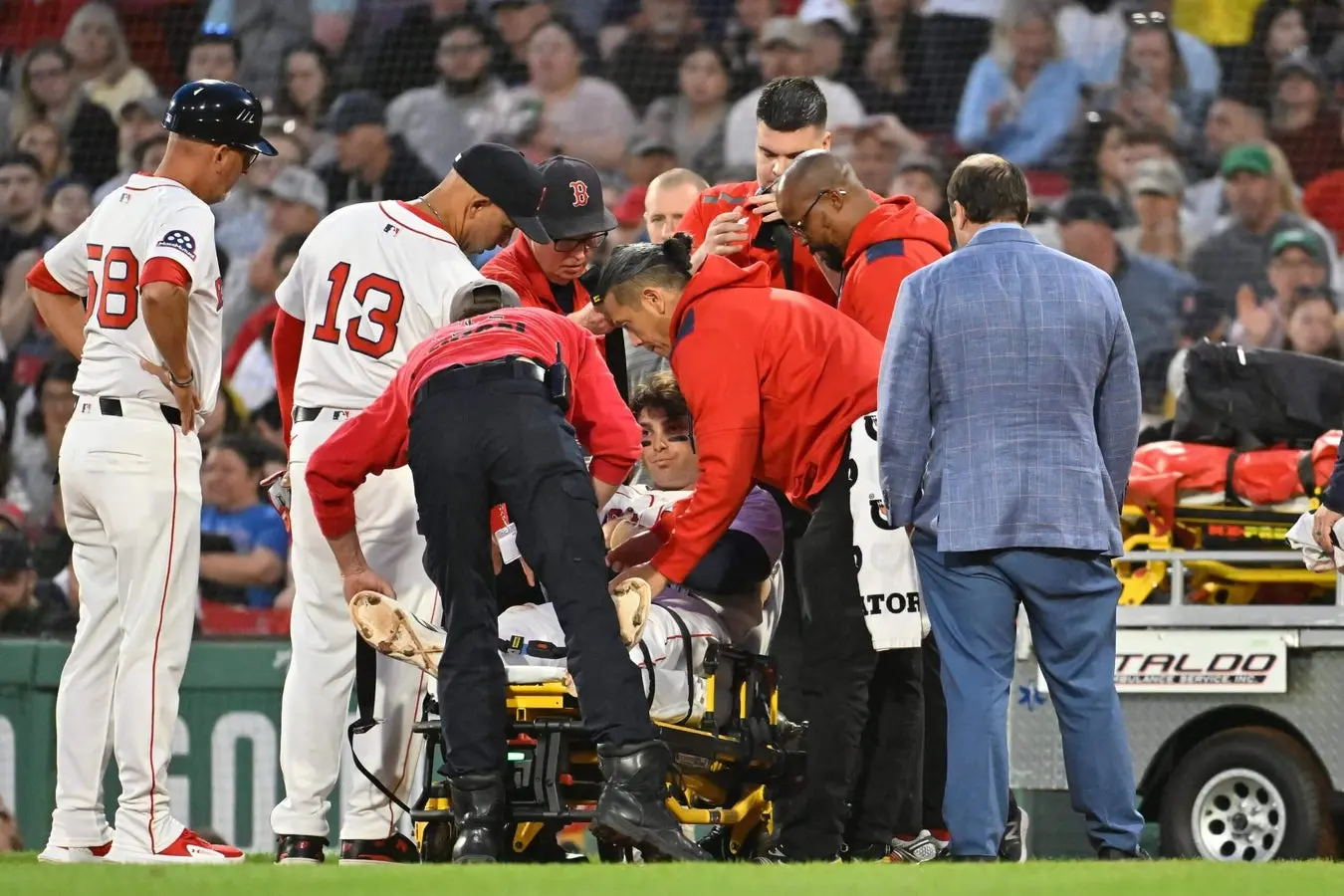
Casas, just 26 years old, was already on the 10-day injured list as he continues his long rehabilitation from a ruptured left patellar tendon suffered in May 2025. That injury, which occurred in a freak fall while running to first base against the Minnesota Twins, effectively ended his 2025 season after only 29 games. Surgery followed, and the recovery timeline was always expected to be lengthy—potentially up to 14 months for a full return to game speed.
Many in the organization had quietly hoped for a possible midseason activation around June, with Casas progressing well in Fort Myers, including recent advancements like running the bases.
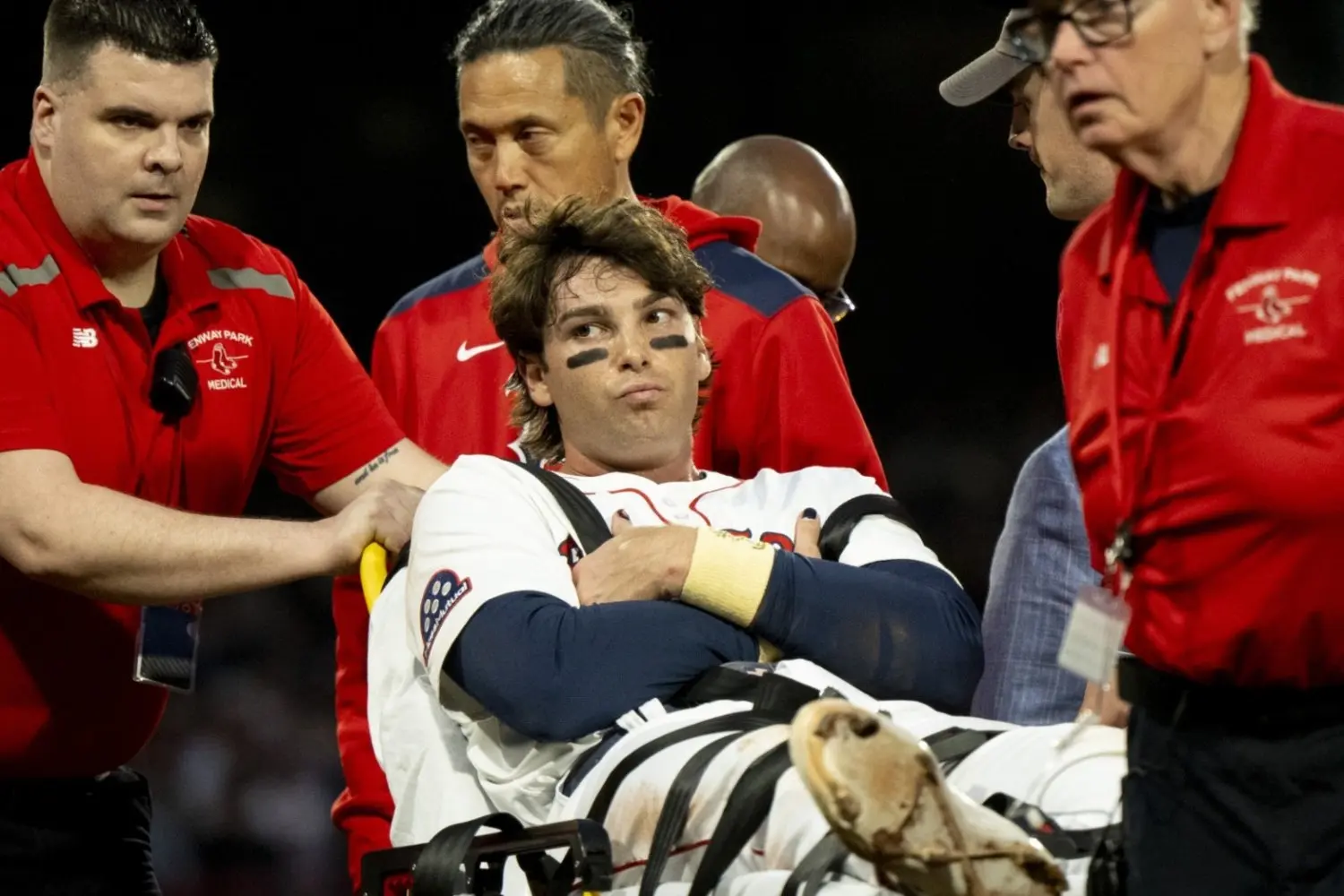
But those hopes took a sharp turn this week. According to multiple reports, Cora revealed that Casas experienced soreness in his ribs while swinging the bat during his rehab activities just a few days ago. The manager was straightforward with the media in Houston: “Triston Casas has had a setback. Sore ribs. So they kind of like shut down the hitting thing for a while… We have to slow it down. Nothing related to the knee. He’s doing well, but this happened swinging, so we have to shut him down swinging-wise for I don’t know how long.”
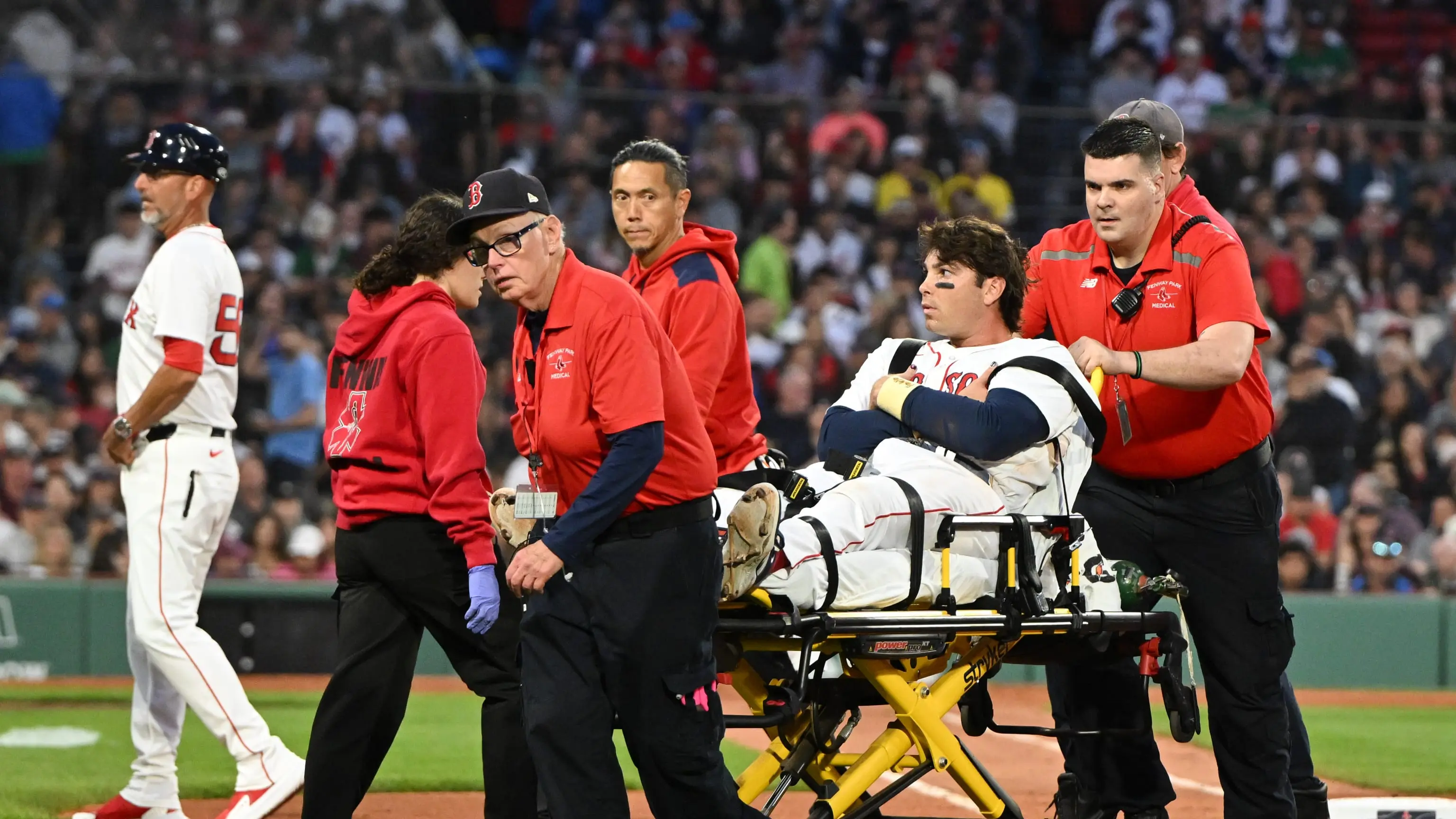
Further details emerged confirming that Casas has sustained a strained left intercostal muscle—the muscles between the ribs that play a crucial role in breathing, core stability, and the mechanics of a baseball swing. The Red Sox have not yet conducted an MRI, opting instead to monitor his symptoms over the coming days and re-evaluate. Until the discomfort subsides, all hitting activities are on hold, a decision Cora described as necessary to avoid worsening the issue.
This development is particularly frustrating for the Red Sox because it is unrelated to the knee that has kept Casas sidelined for nearly a year. The patellar tendon rupture was a major ordeal; Casas reportedly could not walk unaided for two months following surgery. His progress had been steady—meeting benchmarks, staying positive, and even setting an ambitious internal goal of contributing by mid-2026. Fans and analysts alike had begun to circle dates on the calendar for his potential return, viewing him as a key piece in Boston’s lineup once healthy.
Casas has already dealt with injury frustration earlier in his young career. In 2024, torn cartilage in his left rib cage limited him to just 63 games, a nagging issue that affected his power and consistency at the plate. Now, with another rib-area problem surfacing during what should have been a building phase of his knee rehab, questions are mounting about his durability and the team’s long-term plans at first base.
For the Red Sox, the timing could not be worse. The team is navigating the early portion of the 2026 season without one of its most talented young hitters. Casas, a switch-hitter with impressive raw power and plate discipline when healthy, was expected to anchor the middle of the order and provide stability at first base. His absence has already forced the organization to lean on other options, including recent roster moves to add depth behind the plate and in the infield, such as the inclusion of players like Carlos Narvaez to help manage the catching situation amid broader uncertainties.
Cora’s announcement, delivered calmly but with evident disappointment, left little room for immediate optimism. “It just happened a few days ago, so we have to slow it down,” he reiterated. The manager emphasized that the knee itself continues to progress positively, but the new intercostal strain requires a cautious approach. Shutting down swinging activities means Casas will likely remain in extended rehab mode in Florida for the foreseeable future, with no clear timetable for when he might resume baseball activities, let alone rejoin the major league club.
Red Sox fans, who have grown accustomed to cheering for Casas through his ups and downs, now find themselves in a familiar but painful position—praying for his full recovery while worrying about how long this latest hurdle will delay his return. The organization faces difficult decisions ahead. If the rib issue lingers or proves more serious upon further imaging, Casas could potentially be transferred to the 60-day injured list, opening up additional roster flexibility but also signaling a longer road back.
From a broader perspective, this setback highlights the brutal physical demands of Major League Baseball. Even talented athletes like Casas, drafted in the first round and once considered a cornerstone of the Red Sox future, can be derailed by consecutive injuries. His story serves as a reminder of the resilience required not just to reach the big leagues, but to stay there. At only 26, Casas still has time on his side, but repeated health issues raise legitimate concerns about load management, training protocols, and preventing future recurrences.
As the Red Sox push forward without him in the immediate term, the focus shifts to the rest of the roster stepping up. Pitching, defense, and timely hitting will need to carry the load while the front office evaluates whether additional moves at first base or in the lineup are necessary. Meanwhile, all eyes remain on Fort Myers, where Triston Casas is once again fighting to reclaim his spot on the diamond.
The coming days and weeks will bring more clarity—whether through symptom relief, imaging results, or updated timelines from Cora and the medical staff. For now, the message from Boston is one of patience and caution. Red Sox Nation, known for its passionate support through thick and thin, is left hoping that this “sad news” is only a temporary detour on Casas’ path back to Fenway Park.
In the unforgiving world of professional sports, setbacks like this test not only a player’s body but also the spirit of the entire organization. Triston Casas has shown determination throughout his recovery so far. If history is any guide, he will approach this new challenge with the same focus that got him this far. But for the moment, worry and prayers from fans are understandable as the team navigates yet another obstacle in what has become a frustrating injury saga for one of their brightest young talents.