
BREAKING NEWS: The Air Canada pilot using a fake license scandal has been uncovered.

In a stunning revelation that has sent ripples through the aviation industry and professional sports, authorities have uncovered a massive fraud involving a former Air Canada pilot who allegedly flew commercial aircraft for nearly two decades using forged credentials. Peel Regional Police in Ontario announced the arrest of 59-year-old Geoffrey Wall from Barrie, who stands accused of operating more than 900 domestic and international flights without the required airline transport pilot license.
The case, dubbed “Project Icarus,” has captured widespread attention not only for the audacity of the alleged deception but also for its unexpected ties to Major League Baseball, where a former Toronto Blue Jays star has reportedly been linked to the scheme.
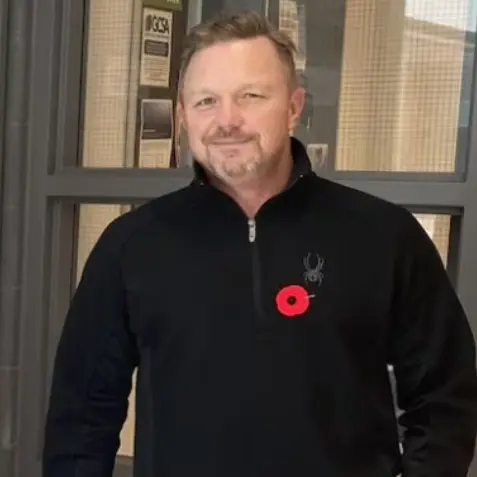
The investigation began after a routine certification check by Transport Canada at Toronto’s Pearson International Airport in early 2025 flagged anomalies in Wall’s documentation. What followed was a four-month probe that peeled back layers of what police describe as an elaborate ruse. According to authorities, Wall, who joined Air Canada in 1998, was promoted to captain in 2009 but never obtained the mandatory Airline Transport Pilot License for Aeroplanes (ATPL-A). Instead, he allegedly forged documents to maintain the facade, allowing him to command Boeing 767, 777, and 787 jets carrying tens of thousands of passengers across North America and beyond.
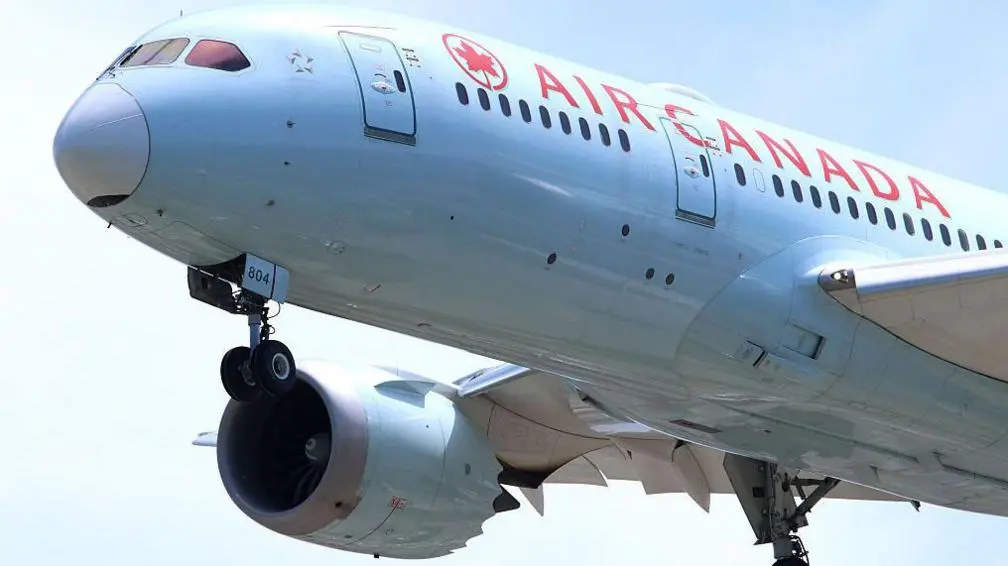
Peel Regional Police Deputy Chief Nick Milinovich characterized the case as something straight out of a Hollywood script. “This investigation and the details surrounding it read like a movie script,” he said during a news conference. Wall faces seven criminal charges, including fraud, forgery, and filing a false report. He was arrested on June 1, 2026, and is scheduled to appear in court in Brampton on June 29. Police allege he earned approximately $2.9 million in salary during his time as captain while deceiving both his employer and regulatory officials.
Air Canada has emphasized that passenger safety was never compromised. The airline stated that Wall underwent and passed all mandatory recurrent training and simulator checks every six months, as required by regulations. Following the discovery, the carrier immediately removed him from duty, conducted a full audit of its pilot roster, and confirmed no other discrepancies. “Safety is our top priority, and we work closely with authorities to maintain the highest standards,” a spokesperson said. Wall retired from the airline in 2025.
The scandal has raised serious questions about oversight in the aviation sector. How could such a long-term deception go unnoticed for 17 years? Experts point to the complexity of pilot certification processes, which involve multiple layers of documentation, recurrent training, and periodic reviews. Wall reportedly claimed at one point that his documents had been stolen, further muddying the waters. Critics argue that while recurrent training ensured operational proficiency, the foundational licensing requirements represent a critical vulnerability that regulators must now address to restore public confidence.
Adding an even more shocking dimension to the story is the alleged involvement of a former Toronto Blue Jays player, whose identity was revealed during the investigation. Sources close to the probe indicate that this retired MLB standout, known for his contributions to the team’s success in the late 1990s and early 2000s, has been connected to the forgery scheme. Details remain limited as the investigation continues, but the linkage has sent shockwaves through the baseball community. Fans and former teammates expressed disbelief, with some recalling the player’s charismatic presence both on and off the field.
MLB officials have declined immediate comment, but the association has fueled speculation about potential financial or personal ties that may have facilitated the alleged fraud.
This development has intensified scrutiny on high-profile figures in sports and their potential entanglements in off-field controversies. The Blue Jays organization, already navigating its own challenges in recent seasons, now faces questions about the integrity of its alumni network. Social media platforms erupted with reactions ranging from outrage to morbid curiosity, with hashtags like #AirCanadaScandal and #BlueJaysLink trending rapidly. For a league still recovering from various image issues, this unexpected crossover has amplified calls for transparency and thorough background checks on individuals connected to professional athletes.
Aviation safety advocates are using the incident to push for reforms. “Pilots are entrusted with hundreds of lives every flight,” said one industry analyst. “Any lapse in credential verification undermines the entire system.” Comparisons have been drawn to other rare cases of pilot credential fraud globally, though few match the duration and scale alleged here. Transport Canada has vowed a comprehensive review of licensing protocols, potentially including enhanced digital verification and cross-checks with international databases.
Wall’s background adds another layer of intrigue. A resident of Barrie, Ontario, he maintained a low public profile despite his long career. Neighbors described him as quiet and unassuming, with no outward signs of the alleged double life. His legal team has yet to issue a detailed statement, but the case is expected to hinge on proving intent and the extent of any external assistance, particularly regarding the Blue Jays connection.
As the story unfolds, it serves as a stark reminder of the human element in highly regulated industries. While no incidents or safety breaches were reported during Wall’s flights, the potential risks highlight the razor-thin margin between routine operations and catastrophe. For passengers who may have flown with him unknowingly, the news brings a mix of relief and unease—relief that the deception did not lead to harm, and unease about what other vulnerabilities might exist.
The intersection with MLB has only heightened the drama. Baseball, with its deep roots in Canadian culture through the Blue Jays, now finds itself indirectly linked to one of the most bizarre aviation stories in recent memory. Former players and analysts have taken to airwaves and online forums to process the implications, debating whether this reflects isolated opportunism or deeper systemic issues in how credentials are monitored across sectors.
Looking ahead, the case could set precedents for fraud prosecutions in aviation. Legal experts anticipate debates over the balance between individual accountability and institutional responsibility. Air Canada, as the alleged victim in this scenario, may pursue civil action, while regulators worldwide watch closely for lessons to apply in their jurisdictions.
In the end, the Air Canada pilot scandal underscores a timeless truth: even in an era of advanced technology and stringent oversight, human ingenuity—and deception—can persist undetected for years. As Geoffrey Wall prepares for his court appearance and the Blue Jays link continues to emerge, the public awaits further details that could reshape trust in both the skies and the ballparks. This is a story that promises more revelations, blending the high-stakes world of commercial flight with the glamour and grit of professional sports in ways few could have anticipated.