
🚨AFL News: Ross comments on the “reasonableness” of scheduling a match that coincided with the Australia game; the coach admits his team selection was a “mistake”.
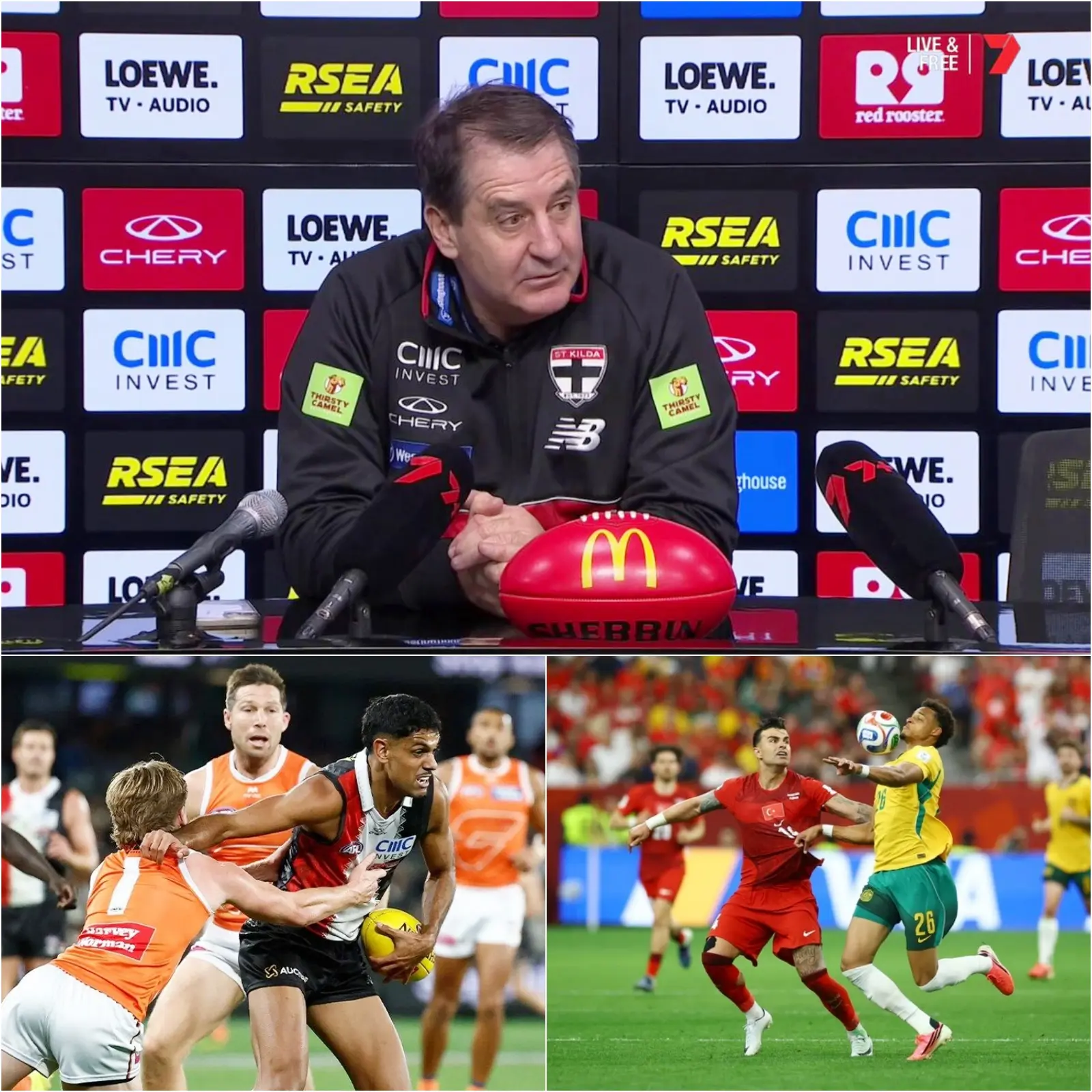
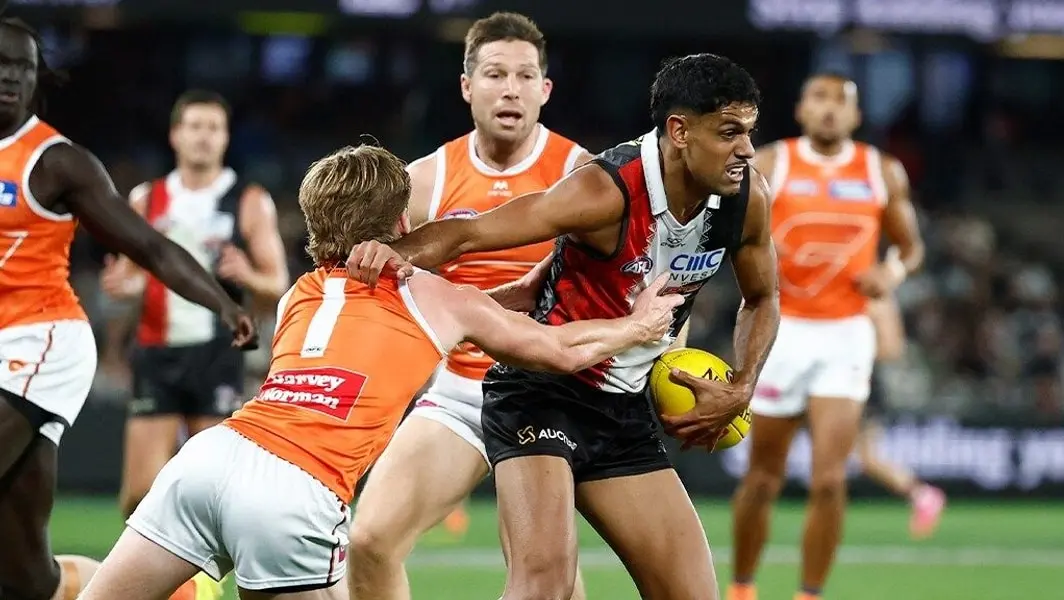
In a weekend filled with high drama both on and off the field, the Australian Football League once again found itself navigating the complexities of its scheduling decisions amid competing national sporting interests. St Kilda’s narrow victory over Greater Western Sydney at Marvel Stadium not only provided plenty of on-field excitement but also sparked fresh conversations about fixture planning, fan loyalty, and coaching accountability. With a modest crowd of just 17,748 in attendance, the game highlighted ongoing challenges for the code as it shares the spotlight with other major events.
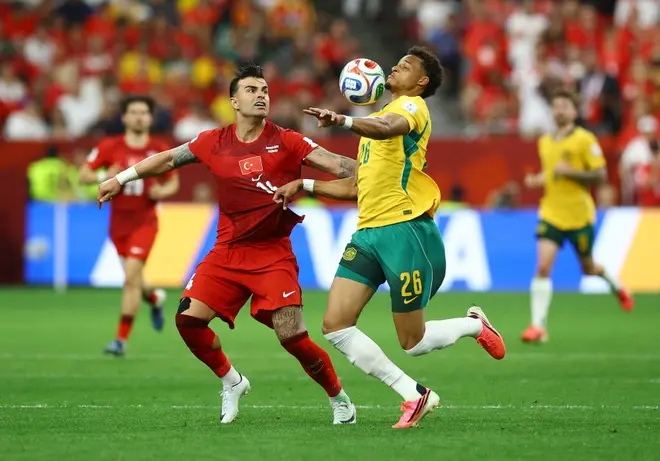
St Kilda coach Ross Lyon, never one to shy away from direct commentary, addressed the timing of the match head-on. The contest was deliberately slotted against the Socceroos’ FIFA World Cup 2026 opener in Vancouver, where Australia faced Turkey at 2pm AEST. The Saints-Giants clash kicked off shortly after at 3:15pm local time, creating a direct overlap that many observers felt could have been avoided. Lyon, speaking post-match, acknowledged the low turnout but framed the AFL’s decision as intentional rather than accidental.
“There are full-time people who do the fixturing,” Lyon explained. “When was the World Cup scheduled? December 6 last year? If someone knew it was on, and you’re a full-time fixturer, it was a deliberate decision, wasn’t it? Was it logical? That’s probably debatable. But I like the attitude – we’re the AFL, we’re a Saints home game, our people will come.”
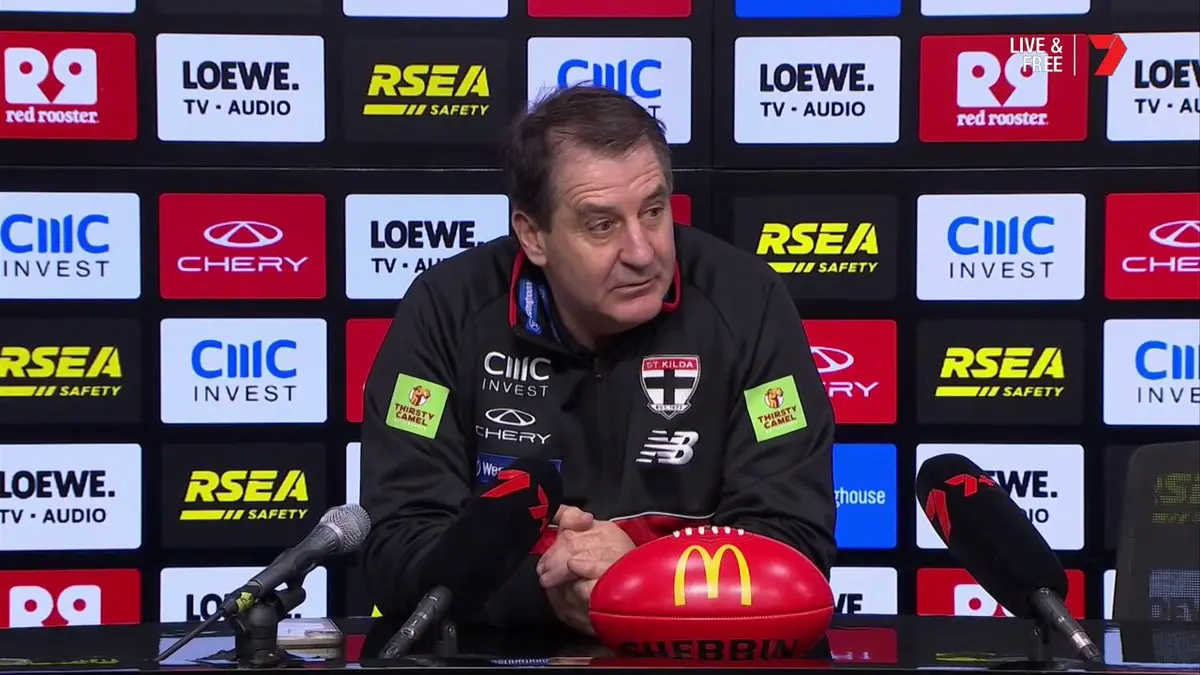
Lyon went further by comparing the attendance to previous encounters, noting that a prior meeting between the sides in Sydney drew around 3,000 to 9,000 fans even without a competing soccer fixture. He expressed satisfaction with the 17,000-plus figure under the circumstances and emphasized that it was up to his team to perform consistently enough to build bigger crowds over time. “Last time we played GWS up there there was probably 3,000 people with no Socceroos game on, so I’ll take the 17. If we win more…
I’ve been at the Saints when we’ve won lots of games and we’ve filled the stadium. So it’s on us,” he added.
This stance reflects Lyon’s characteristic pragmatism and defensiveness of the league’s priorities. While some critics argued the AFL missed an opportunity to support the national soccer team during its World Cup campaign, Lyon suggested the scheduling was a calculated choice prioritizing AFL commitments. The debate taps into broader tensions in Australian sport, where rugby league, soccer, and Australian rules football often vie for public attention and broadcast slots. Fans found themselves splitting attention across screens in homes and pubs, underscoring the passionate but fragmented nature of the country’s sporting landscape.
On the field, the game itself was a tense, low-scoring affair that lived up to the billing of a classic struggle. St Kilda emerged victorious by just eight points in a match defined by efficiency inside the forward 50. The Saints converted at an impressive 55 percent rate, compared to the Giants’ 42 percent, proving decisive in the outcome. Key performers for the victors included Liam Ryan, who booted six goals, and standout contributions from players like Nasiah Wanganeen-Milera, whose role adjustments under Lyon have paid dividends this season.
For Greater Western Sydney, the loss was a bitter pill, extending their season record to a middling 6-7 and painting a realistic picture of where the club stands. Coach Adam Kingsley was forthright in his assessment afterward, particularly regarding a key selection decision that he openly admitted fell short. Jesse Hogan, returning from a hip adductor injury, was thrust back into the senior side but struggled to make the desired impact, finishing with one goal and 10 disposals despite logging 86 percent game time.
Kingsley did not mince words when reflecting on the call. “I don’t think he had an impact on the game, which was kind of expected and understandable, he’s missed a bit of footy,” the coach said. “It’s hard to then slot straight back in and have an impact, particularly at that size you’re going to be defended pretty much all the time. It was a discussion (playing him in the VFL) but we felt like with his quality, he’s one of these guys that’s capable of turning it on. He didn’t tonight, so, I got that wrong.”
This admission of error highlights the high-pressure environment coaches operate in, where personnel choices can swing tight contests. Hogan’s return was part of a broader strategy following a “mini pre-season” during the bye, aimed at managing his fitness long-term. While the move didn’t yield immediate results against St Kilda’s disciplined defense, Kingsley remained optimistic about the group’s potential, noting they are capable of better when clicking. The Giants restricted St Kilda’s entries reasonably well but faltered in contesting behind the ball and converting their own opportunities.
The Saints’ win moves them forward in what has been a mixed season, providing momentum as they prepare for upcoming fixtures, including a clash against the Western Bulldogs. Lyon has stressed the need for his side to address inconsistencies while building on defensive and attacking learnings. For GWS, the focus shifts to rebounding quickly, with Kingsley underscoring that talk is cheap and on-field execution is what matters.
Beyond the immediate results, this round of AFL action once again brings fixture congestion and code rivalries into focus. The Socceroos’ campaign adds another layer of national pride, with Australia’s strong start in Vancouver generating buzz. Yet the AFL’s commitment to its calendar demonstrates the logistical realities of professional sport scheduling, especially with long-lead planning that sometimes locks in dates well before other events are finalized.
Fans and pundits alike will continue debating whether more collaboration between codes could benefit everyone, or if healthy competition for eyeballs ultimately drives higher standards across Australian sport. Lyon’s comments, while supportive of the AFL’s stance, also serve as a reminder that success on the field remains the best antidote to external distractions. As both St Kilda and GWS look ahead, the emphasis will be on refining selections, maximizing efficiency, and growing their supporter bases through consistent performances.
In the end, the weekend’s events encapsulated the passion, scrutiny, and resilience that define the AFL. From coaching candor on mistakes to pointed observations on scheduling logic, the stories emerging from Marvel Stadium add depth to an already compelling season. As the competition intensifies, these moments of reflection and accountability could prove pivotal for teams chasing finals contention.